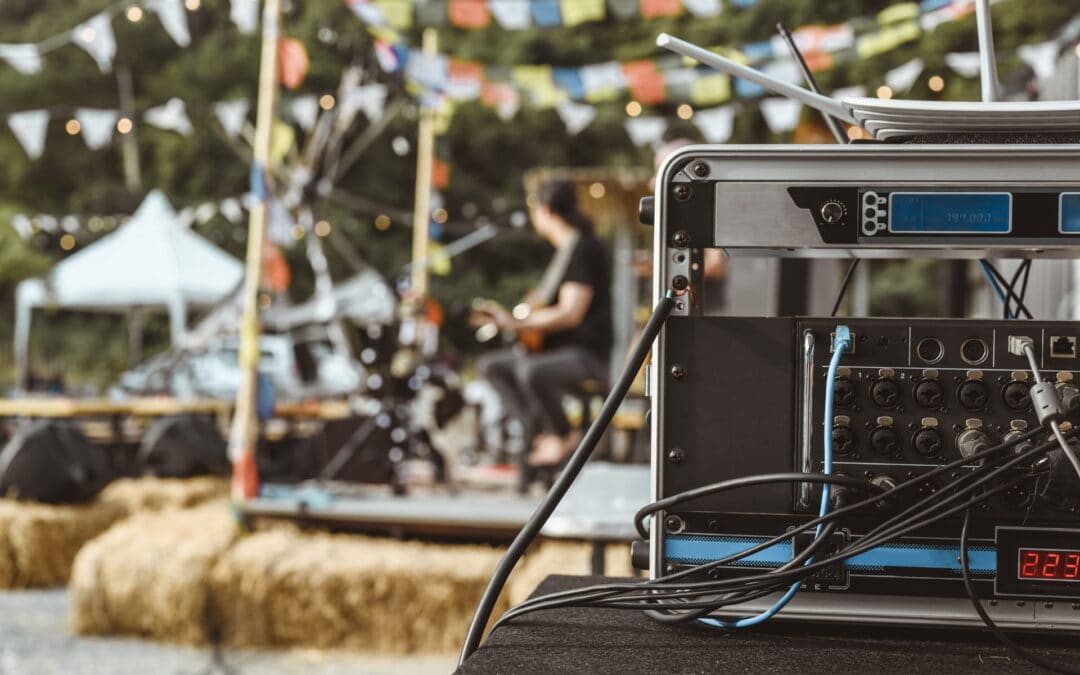
Event planning can feel simple until temporary infrastructure enters the mix and every choice begins affecting safety, comfort, and timing. Event equipment rentals often include multiple moving parts that must work together, sometimes under tight load-in windows and unpredictable weather. Questions tend to appear once planners realize one generator decision can ripple into lighting placement, audio stability, and even restroom servicing. Pelican Events puts it plainly in a journalistic aside: “Most problems show up when planning happens late, because power, placement, and access all depend on decisions made early.”
- Power planning affects nearly every vendor
- Site layout shapes guest flow and safety
- Scheduling drives what equipment stays available
Questions People Ask About Event Equipment Rentals
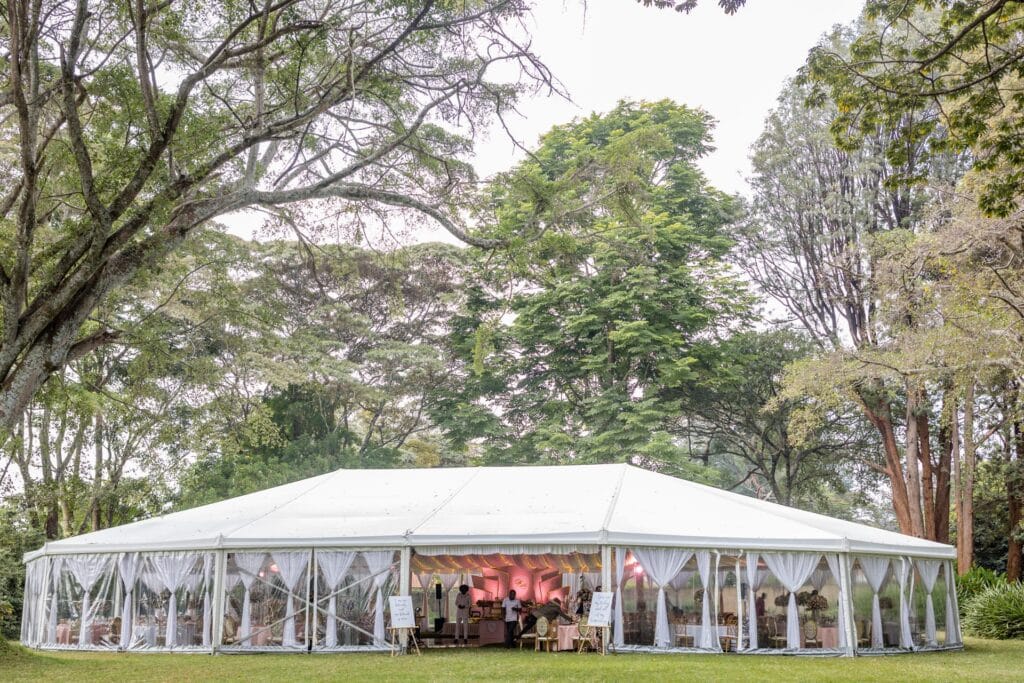
Event equipment rentals create a planning puzzle that looks different at every site, even when the event type feels familiar. Festival grounds, wedding venues, corporate parking lots, and construction-adjacent sites each introduce unique access routes, surface conditions, and power constraints. One common example involves a stage area running smoothly during rehearsal, then tripping breakers once vendor booths and food equipment power up at the same time. Experience teaches that success comes from treating equipment like a connected system, not a shopping list.
- One power source can serve too many needs
- Equipment placement can change once trucks arrive
- Safety checks require clear documentation
1. What Equipment Is Actually Needed
Equipment needs depend on what happens at the event, how long it runs, and how dense the activity becomes, not just the headcount. Sound systems, cooking equipment, vendor tents, charging stations, and security lighting all pull power differently, and the mix matters. FEMA training materials for special events emphasize risk management and careful pre-event planning, including attention to temporary electrical facilities and inspections. The most reliable approach starts with a simple map of activities and then builds the equipment plan around that map.
- Power generation and distribution equipment
- Lighting suited to visibility and safety needs
- Restroom and hygiene support sized to the schedule
2. What Drives Rental Cost Changes
Rental pricing usually shifts because the technical requirements shift, especially when power demand grows or operating hours extend into late night windows. Fuel consumption and generator efficiency can push costs up when loads run heavy for long periods, so accurate load planning protects budgets. Event equipment rentals also cost more when additional labor is needed for placement, cable management, or overnight monitoring. Clear estimates come from listing every electrical item that will run, then identifying what must stay powered without interruption.
- Event length and operating hours
- Total electrical load and peak demand
- Support needs like delivery windows or on-site checks
3. When Should Rentals Be Reserved
Reservation timing matters because availability can disappear fast during peak seasons and overlapping regional events. Early booking also opens time for site walks, layout revisions, and power planning before vendors finalize their needs. Ready.gov business guidance highlights resource management and the value of planning for resources that support continuity, including backups when primary systems fail. A planning calendar that locks in key equipment first tends to reduce last-minute substitutions that cause headaches later.
- Peak dates reduce equipment options
- Early reservations support better layout planning
- Delivery scheduling becomes easier to coordinate
4. What Are Real Power Requirements
Power requirements go beyond plugging in cords because electrical load stacks quickly when lighting, audio, refrigeration, and vendor needs run at the same time. Sound systems can spike during startup, lighting can draw more than expected once dimmers and controllers enter the chain, and food equipment can quietly become the biggest load on site. OSHA warns that temporary electrical setups require proper design and protection, and safety risks rise when circuits are overloaded or poorly protected. Planners stay ahead by asking for wattage lists from vendors and then building a distribution plan that keeps critical equipment stable.
- Wattage totals for all devices that will run
- Separate circuits for sensitive electronics and AV
- Protection measures such as proper grounding and GFCI use
5. What Size Generator Makes Sense
Generator size selection depends on peak demand and startup surges, not average usage, and that difference catches people off guard. Lighting and audio gear can draw higher power at startup, then settle into a steadier load, while cooking and climate equipment can fluctuate throughout the day. A generator that barely matches the average load can struggle once multiple systems cycle at once, and that can lead to voltage dips that ruin equipment performance. A smart approach uses a load calculation with a safety margin so the generator runs comfortably instead of constantly straining.
- Startup surge planning for lighting and audio
- Continuous load totals for long-run equipment
- Fuel strategy based on runtime and refueling access
6. How Electrical Distribution Gets Managed
Electrical distribution is the part that makes power usable across a site, because panels, cabling, and connectors control where electricity goes and how safely it travels. OSHA’s wiring design and protection standard for construction work highlights the need for proper protection of temporary wiring, including ground-fault protection for certain 120-volt receptacles used by employees on construction sites. Even outside construction settings, the lesson holds: organized routing and labeled circuits reduce confusion, speed troubleshooting, and lower trip hazards. Event equipment rentals work best when cable paths are planned like traffic lanes, not improvised after trucks unload.
- Panel placement that supports the layout
- Cable routing that avoids walkways and pinch points
- Clear labeling for circuits and vendor tie-ins
7. What Outdoor Conditions Change
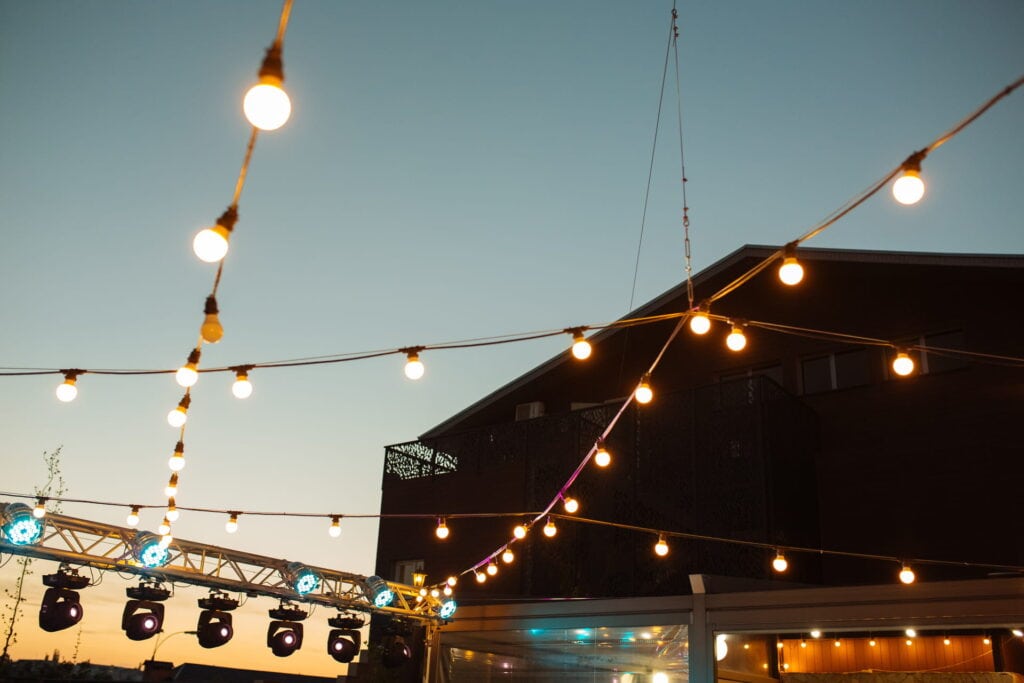
Outdoor conditions can change everything because moisture, heat, and uneven terrain introduce risks that indoor venues rarely face. Rain can turn cable paths into hazards, humidity can complicate connections, and heat can stress equipment that is already under load. Weather readiness guidance from the National Weather Service emphasizes planning for backup methods and clear communication when conditions shift. Planners protect the setup by treating the site like a living environment that can change hour by hour.
- Weather-rated protection for connections and panels
- Raised cable routing where water could collect
- Contingency planning tied to forecast monitoring
8. What Restroom Options Fit the Event
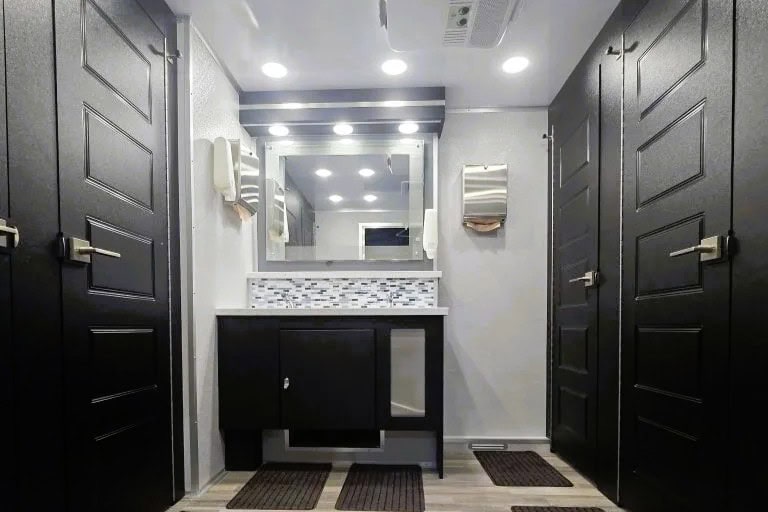
Restroom choices affect guest comfort and crowd flow, and the wrong setup can create long lines that spill into high-traffic areas. Portable toilets may work for short durations or smaller crowds, while restroom trailers often suit longer schedules or higher expectations for comfort. CDC event guidance notes that portable toilets should be paired with portable handwashing stations and kept stocked throughout the event. Event equipment rentals in this category work best when planners think about placement, servicing access, and hygiene support as one combined plan.
- Restroom counts shaped by duration and crowd patterns
- Handwashing placement near food and high-traffic zones
- Servicing schedules planned around peak attendance windows
9. What Delivery and Setup Usually Look Like
Delivery and setup run smoother when equipment arrives in the right sequence, because staging areas can clog fast once multiple vendors share access points. Heavy items like generators and restroom trailers typically need placement first, then distribution and lighting can follow once paths are clear. FEMA’s special events materials emphasize planning that reduces preventable incidents, which includes managing site access and coordinating operations Event equipment rentals become far less stressful when the site has a simple traffic plan for trucks, crew, and vendor arrivals.
- Staggered delivery windows to prevent congestion
- Defined staging zones for safe unloading
- Clear access routes kept open for service needs
10. What Backup Planning Should Cover
Backup planning matters because power interruptions and equipment issues rarely announce themselves, and the impact can be immediate. A spare generator, extra cabling, or a secondary lighting plan can keep a site functional while teams troubleshoot, and that can protect both safety and reputation. Ready.gov guidance on power outages encourages planning for alternative power sources and critical actions during outages. Strong backup thinking also includes communication steps, because people respond faster when instructions are clear and consistent.
- Secondary power options for critical systems
- Spare components for common failure points
- Communication plans for quick response during disruptions
What These Questions Reveal
Each question connects back to one theme: planning succeeds when equipment is treated as a coordinated system with real-world limits. Power choices influence distribution, distribution influences layout, layout influences safety and guest flow, and sanitation influences comfort and time management, and everything ties back together. Pelican Events often frames the point in practical terms: “Good setups come from thinking through the site as a whole, not making isolated decisions under pressure.” Careful attention to these details helps event equipment rentals support the event instead of distracting from it.
- Systems planning reduces last-minute changes
- Clear layouts improve safety and comfort
- Backup options protect continuity when conditions shift
Key Takeaways for Event Equipment Rentals
- Equipment planning works best when built around event flow and site layout
- Power calculations protect budgets, performance, and safety
- Electrical distribution decisions reduce confusion and tripping hazards
- Outdoor conditions require protective routing and weather-aware backups
- Restroom and hygiene planning influences guest comfort and crowd movement
Frequently Asked Questions
What questions help prevent power surprises on event day?
Vendor wattage lists, startup surge estimates, and a clear map of what must stay on at all times keep planning grounded, especially when multiple vendors share the same footprint.
What details help choose between portable restrooms and trailers?
Event length, guest expectations, servicing access, and hygiene support needs tend to guide the decision, and handwashing placement should be treated as a core requirement.
What helps keep cables and power paths safer for crowds?
Planned routing away from walkways, visible covering where crossings are unavoidable, and labeled circuits reduce confusion while supporting safer movement across the site.
What planning step reduces delivery-day bottlenecks?
Staggered delivery windows paired with a staging zone and a simple traffic plan helps heavy equipment get placed first, then smaller installations can follow without blocking access.
What backup plan details matter most during an outage?
Alternative power for critical systems, spare parts for common failure points, and a clear communication plan protect continuity and reduce downtime when issues arise.
Home Garden Wire is your go-to resource for the latest in home and garden services. We provide reliable, actionable information on DIY home improvement, home maintenance, eco-friendly practices, and home design. Our well-researched content empowers homeowners with practical solutions and expert advice. Trust Home Garden Wire to help you enhance your living spaces with tips on home renovation, sustainable living, and innovative home services.