Homeowners insurance plays a steady role in protecting one of the largest financial commitments most people ever make, and the process can feel overwhelming without clear guidance. Coverage choices shape how repairs get paid for, how rebuilding is handled, and how quickly life feels normal again after a loss. A closer look at homeowners insurance shows how careful planning prevents expensive surprises when damage happens. Southern Ambit Insurance explains, “Strong homeowners coverage begins with understanding real risks and preparing for situations homeowners rarely expect but frequently face.”
- Understanding how coverage protects the structure and personal belongings
- Spotting common gaps that leave homeowners exposed to surprise costs
- Planning for risks tied to weather, water, and changing property conditions
1. Helpful Approaches to Buying Homeowners Insurance
Buying homeowners insurance requires more than choosing a number that feels comfortable, it requires matching coverage to current rebuilding costs and the real value of what is inside the home. Consider a homeowner who renovated a kitchen, upgraded cabinets, and added stone countertops but never updated the dwelling limit, then a storm damaged the roof and water affected that new space. Coverage limits that lag behind improvements can force homeowners to pay the difference out of pocket. Preparation prevents regret.
- Compare dwelling limits to local rebuilding costs, not the original purchase price
- Confirm personal property coverage reflects what is actually owned today
- Review additional living expense coverage for hotel stays, meals, and temporary rentals
2. Clear Risks That Influence Homeowners Insurance Decisions
Environmental and structural risks shape how homeowners insurance performs when disaster strikes, and those risks look different depending on roof condition, drainage, and construction type. FEMA notes that severe weather is a major driver of disaster losses nationwide, which helps explain why insurers focus heavily on storm exposure. Ignoring these risk factors can lead to denied claims, reduced payouts, or higher deductibles when repairs are needed. Awareness leads to better protection.
- Wind and hail events commonly drive roof, siding, and window losses
- Older roofs can raise premiums and increase the chance of coverage disputes
- Water pathways around the home matter, including grading, gutters, and downspouts
3. Costly Coverage Missteps That Catch Homeowners Off Guard
Many homeowners assume a policy covers every scenario, which is rarely the case, since coverage depends on definitions, exclusions, and limits buried in the details. Underinsuring a home or misunderstanding exclusions remains a common issue discussed by the Insurance Information Institute, especially after storms when homeowners learn what is and is not covered. Confusion turns into frustration quickly when adjusters point to policy language the homeowner never noticed. Clear knowledge reduces that risk.
- Replacement cost coverage can pay differently than actual cash value after depreciation
- Wear-and-tear exclusions often limit claims tied to aging components
- Coverage caps can restrict reimbursement for jewelry, collectibles, and electronics
4. Why Flood Insurance Deserves Extra Attention
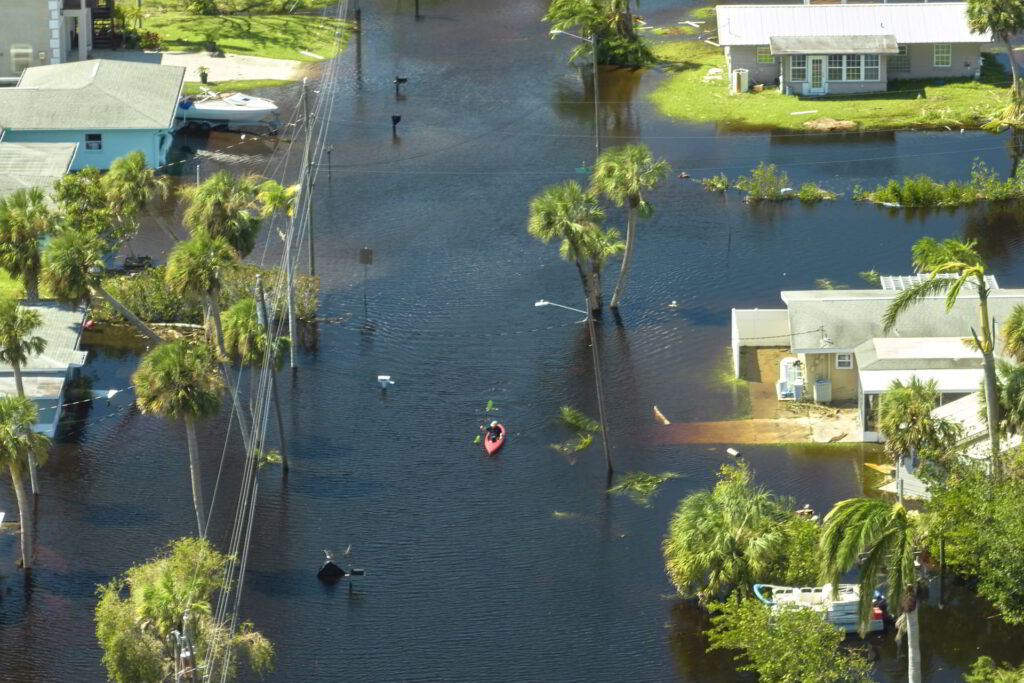
Flood Insurance remains one of the most misunderstood parts of property protection because rising water damage is usually excluded from standard homeowners insurance. FEMA reports that more than 20 percent of flood claims occur outside high-risk flood zones, which surprises many homeowners who assume flooding only happens in clearly labeled areas. Water can enter homes through overwhelmed drainage, heavy rainfall, or storm surge, and the cleanup costs add up fast. Separate flood coverage helps close that gap.
- Flood damage typically requires a separate Flood Insurance policy
- Lower-risk areas can still experience flooding after intense rain events
- Flood maps and risk tools help homeowners evaluate exposure and coverage needs
5. Practical Ways Homeowners Can Keep Premium Costs Manageable
Premium costs reflect both risk and preparedness, so small improvements around the home can influence long-term pricing. The Insurance Institute for Business and Home Safety highlights that stronger roof systems and storm-resistant upgrades can reduce loss severity, which often supports better outcomes after a claim. Discounts vary by insurer, but many policies reward steps that reduce the chance of costly damage. Savings tend to grow when risk is reduced.
- Home security systems can reduce theft-related risk and sometimes lower premiums
- Wind-resistant roofing choices may lessen storm losses and improve insurability
- Bundling home and auto policies can reduce overall premium costs for many households
6. Simple Documentation Habits That Help During a Claim
Claims move faster when documentation already exists, and it also reduces disagreements about what was owned and what was damaged. The Insurance Information Institute recommends maintaining a home inventory with photos, receipts, and model numbers stored digitally so records are not lost during an emergency. A quick inventory update after holidays, big purchases, or renovations can prevent headaches later. Organization brings clarity.
- Photograph each room, including closets, garages, and storage areas
- Save receipts and warranty details in a cloud folder that is easy to access
- Record renovation expenses and contractor invoices for future coverage updates
7. Claim Steps That Make the Process Less Stressful
The claims process follows structured steps, and understanding them early helps homeowners stay calmer when damage occurs. FEMA and state insurance guidance often stresses timely reporting because delays can complicate inspections, contractor scheduling, and documentation. Quick communication also helps insurers open the file, assign an adjuster, and explain next steps. Speed matters when repairs are urgent.
- Report damage promptly and ask what documentation is needed immediately
- Prevent additional loss when safe, such as tarping a roof or shutting off water
- Keep a simple log of calls, emails, estimates, and repair timelines
8. Why Policy Reviews Matter as Homes and Lives Change
Homes evolve through renovations, additions, and upgrades, and coverage should evolve right alongside those changes to avoid falling behind. The U.S. Census Bureau has tracked ongoing home improvement activity nationwide, and rising renovation spending can push replacement values higher than many homeowners expect. Policies that stay untouched for years often miss new value in kitchens, bathrooms, and major system updates. Regular reviews keep coverage aligned with reality.
- Renovations can increase rebuild costs and should be reflected in dwelling limits
- New valuables may require scheduled coverage or higher personal property limits
- Endorsements can address gaps for items like water backups or equipment breakdown
9. How Experience Leads to Better Insurance Choices
Experienced planning reveals blind spots homeowners often overlook, especially when comparing policies that look similar on the surface. Insurance professionals who review claims daily recognize patterns that lead to reduced payouts, such as low limits, high deductibles, or exclusions that homeowners did not realize applied. Strong decisions happen when coverage is matched to real risks rather than guesswork. Careful evaluation provides stability during stressful recovery periods.
- Coverage reviews can uncover overlooked risk areas before a loss happens
- Policy comparisons can reveal meaningful differences in deductibles and exclusions
- Long-term planning helps households manage costs while keeping solid protection
10. Steady Protection Strategies for Homeowners Insurance
Homeowners insurance delivers dependable protection when the policy fits rebuilding costs, local hazards, and household changes, and that fit improves when homeowners review coverage regularly. Flood Insurance also matters because rising water damage can create massive cleanup and repair bills that standard coverage usually will not address. NOAA disaster tracking has shown that extreme weather events can produce widespread property losses, which underscores why preparedness matters beyond the basics. Southern Ambit Insurance encourages homeowners to treat coverage planning as an ongoing responsibility rather than a one-time purchase, noting that steady reviews help families maintain strong protection as risks evolve and property values grow.
- Match coverage limits to real rebuild costs and current household needs
- Pair homeowners coverage with Flood Insurance when water risk is present
- Revisit deductibles and endorsements as conditions, renovations, and budgets change

Key Takeaways for Facts of Homeowners Insurance
Homeowners insurance works best when coverage reflects true rebuilding costs, household inventory, and changing property conditions. Flood Insurance closes a major protection gap many homeowners overlook until water enters the home. Documentation habits, risk awareness, and routine policy reviews reduce financial vulnerability and make recovery smoother after damage occurs.
- Coverage should align with rebuilding costs, not market value or old estimates
- Flood Insurance helps protect against rising water damage that standard policies exclude
- Inventories and records support faster, cleaner claim processing
Frequently Asked Questions About Homeowners Insurance
Does homeowners insurance cover flooding from heavy rain?
Rising water damage usually requires Flood Insurance, even when heavy rainfall is the trigger, because standard policies commonly exclude flood events.
How often should homeowners review their policy?
Annual reviews work well for many households, and updates also make sense after renovations, major purchases, or changes to the roof and major systems.
Why does replacement cost matter more than market value?
Replacement cost focuses on what it takes to rebuild the home with labor and materials, while market value includes land and location factors that do not pay for repairs.
Can safety upgrades lower insurance premiums?
Many insurers offer discounts for security systems, storm-resistant features, and certain protective upgrades, though eligibility depends on the carrier and documentation.
What documents help most during a claim?
Photos of damage, a home inventory, receipts, contractor estimates, and a simple timeline of communication help support faster evaluations and fewer disputes.

Home Garden Wire is your go-to resource for the latest in home and garden services. We provide reliable, actionable information on DIY home improvement, home maintenance, eco-friendly practices, and home design. Our well-researched content empowers homeowners with practical solutions and expert advice. Trust Home Garden Wire to help you enhance your living spaces with tips on home renovation, sustainable living, and innovative home services.