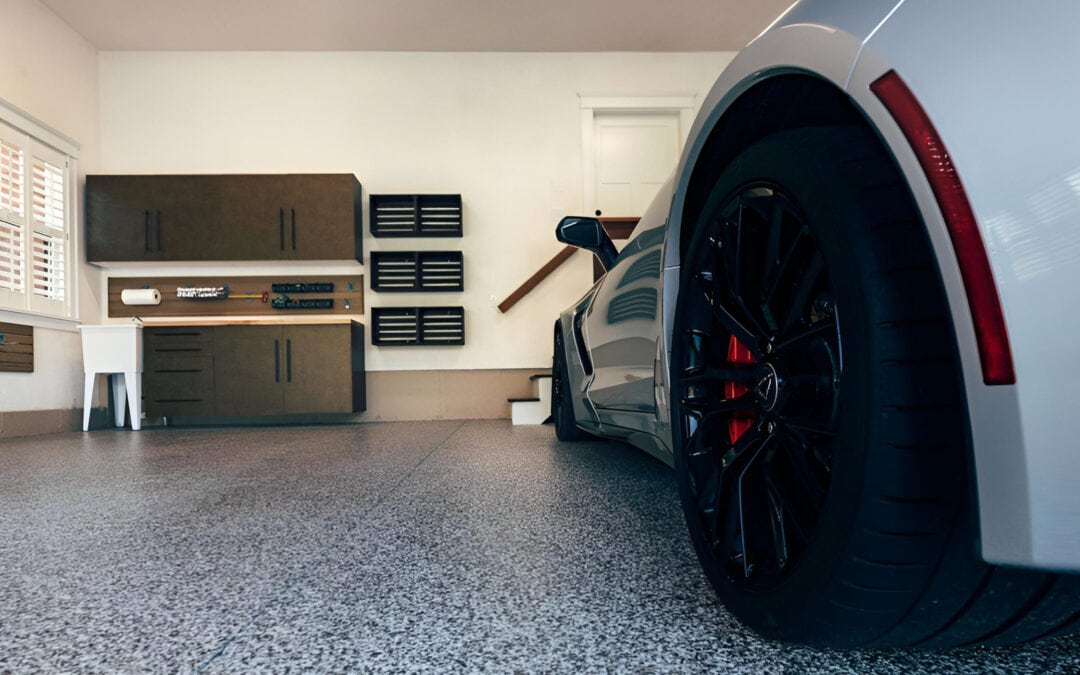
Household falls often start with subtle traction loss, and many homeowners underestimate how unfinished concrete can become unsafe when moisture, dust, or long-term wear weakens surface grip. Epoxy flooring improves safety by reducing slip hazards because it forms a sealed, reinforced layer that strengthens traction and stabilizes walking conditions across residential surfaces. Epoxy flooring cuts slip hazards by sealing concrete pores and creating a more predictable walking surface in garages, basements, and utility spaces where dampness and debris commonly appear. Optima Concrete Coatings explains, “Concrete naturally absorbs environmental moisture and releases fine particles that reduce traction, and an epoxy system helps stabilize the surface and strengthen grip performance across residential areas.”
- Loose concrete dust can act like tiny ball bearings under shoes
- Thin moisture films often form without visible puddles
- Sealed coatings help maintain steadier foot contact
Reducing household slip hazards
A homeowner stepping into a garage during early morning humidity may walk across concrete that looks dry but carries invisible condensation that lowers friction immediately. Epoxy flooring improves safety by reducing slip hazards because it seals porous concrete and allows traction-enhancing texture that supports steadier movement when conditions change. The National Safety Council emphasizes that falls remain a major source of injury in residential settings, especially where surfaces are hard and smooth. Surface stability matters. Epoxy coatings help homeowners manage everyday risk by making footing more consistent in frequently used areas.
- Humidity shifts can create slick conditions in enclosed spaces
- Textured finishes reduce sudden traction drop-offs
- Consistent footing supports safer carrying, turning, and stepping
1. Improved traction stability control
Concrete gradually becomes smoother through years of foot traffic, cleaning, and abrasion, and that slow polishing effect reduces friction and increases slipping hazards. Epoxy flooring improves safety by reducing slip hazards because installers can add controlled texture that increases grip while keeping the surface easy to maintain. The National Institute for Occupational Safety and Health explains that better traction lowers the likelihood of slip-related falls on hard surfaces. Reliable traction builds confidence. Textured epoxy surfaces help homeowners keep steadier footing in garages, basements, laundry rooms, and workshops where traction loss tends to show up first.
-
- Texture can be adjusted for light, moderate, or heavier foot traffic
- Grip improvements help with quick stops and direction changes
- Stable traction supports safer movement when hands are full
2. Anti slip epoxy traction reinforcement
Anti slip additives integrated into epoxy coatings create fine surface variation that improves friction and strengthens shoe contact across residential floors. Traction additives can be especially helpful in areas that see damp shoes, tracked-in grit, or repeated cleaning, because they keep the surface from feeling overly slick. The U.S. Department of Labor recognizes slip-resistant flooring as a key control for reducing fall injuries in walking environments. Small texture changes can make a big difference. Epoxy flooring improves safety by reducing slip hazards through dependable traction reinforcement that holds up under daily use.
-
- Additives can be selected to match barefoot areas or shoe-only areas
- Traction support remains useful during humid seasons and rainy weeks
- Consistent grip helps reduce panic steps and quick slips
3. Moisture resistant concrete sealing protection
Concrete absorbs moisture from surrounding air, soil conditions, and household activities, and that absorbed moisture can rise to the surface and reduce friction even when no standing water is visible. Epoxy flooring creates a sealed barrier that limits moisture intrusion and helps maintain more stable walking conditions across residential floors. The Environmental Protection Agency explains that moisture problems contribute to material deterioration and indoor risks, which can include safety concerns when surfaces become slick. Dry surfaces keep traction steadier. Epoxy coatings help homeowners reduce slip hazards by preventing moisture-driven changes in surface grip.
-
- Sealing pores reduces damp patches that appear and disappear
- Moisture control can support safer basements and utility rooms
- Reduced absorption helps limit surface weakening over time
4. Seamless epoxy floor surface stabilization
Concrete surfaces often develop cracks, joints, and uneven transitions, and these surface inconsistencies interrupt walking rhythm and create unexpected slip and trip situations. Epoxy flooring creates a smooth, continuous layer that bridges minor flaws and reduces the sudden changes in texture that can catch a foot off guard. The National Safety Council identifies uneven walking surfaces as a major contributor to household falls. Seamless coverage improves predictability. Epoxy coatings help homeowners lower slip hazards by creating a uniform surface that supports steadier steps across the room.
-
- Continuous surfaces reduce surprise traction changes near joints
- Bridged imperfections can reduce snag points for shoes
- Uniform walking zones support safer pacing and turning
5. Chemical resistant traction preservation
Garages, storage rooms, and utility spaces frequently deal with oil drips, detergent splashes, and household chemicals, and untreated concrete absorbs these liquids and can stay slick even after quick wiping. Epoxy flooring resists chemical absorption, which helps spills stay on the surface where they can be cleaned thoroughly and promptly. The Occupational Safety and Health Administration notes that contaminated walking surfaces increase slip risk, especially when residues linger. Cleaner surfaces restore traction faster. Epoxy coatings help homeowners reduce slip hazards by limiting how long spills affect surface grip.
-
- Resistance helps prevent oily stains that stay slick over time
- Faster cleanup reduces the window of slipping danger
- Protected concrete is less likely to develop stubborn, slippery spots
6. Reflective epoxy lighting visibility enhancement
Low lighting increases slipping hazards because damp areas, dust buildup, and subtle residue can be hard to notice on darker concrete floors. Epoxy flooring reflects light more effectively than unfinished concrete, which can improve visibility in garages and basements where lighting is often limited. The U.S. Department of Energy explains that reflective surfaces can improve lighting effectiveness indoors, supporting clearer visibility. Better visibility supports quicker hazard detection. Epoxy coatings help homeowners reduce slip hazards by making surface changes easier to spot before a step lands.
-
- Brighter floors can make wet patches stand out sooner
- Improved visibility supports safer stair-adjacent and entry zones
- Clearer surfaces help reduce missteps in dim corners
7. Long term traction durability reinforcement
Concrete gradually deteriorates through abrasion, temperature swings, and repeated load stress, and as the surface breaks down, traction can become less reliable while dust and micro-debris increase. Epoxy flooring protects concrete and preserves surface performance, helping traction stay more consistent over years of use. The Federal Highway Administration explains that protective coatings extend surface life and help maintain performance, which aligns with the goal of keeping walking surfaces dependable. Durable protection supports steadier footing. Epoxy coatings help homeowners reduce slip hazards by limiting surface breakdown that leads to slickness and loose debris.
-
- Reduced wear helps limit dust that can reduce grip
- Surface protection supports safer high-use pathways
- Longer-lasting traction helps maintain consistent daily safety

How epoxy flooring cuts slip hazards key takeaways
Epoxy flooring improves safety by reducing slip hazards through traction reinforcement, moisture control, seamless coverage, and durable surface protection that supports steadier walking conditions. Textured finishes and anti slip additives help maintain grip when humidity changes or debris appears, while sealing limits moisture absorption that can create slick, unpredictable patches. Seamless coverage reduces uneven transitions that interrupt footing, and reflective finishes help homeowners notice hazards sooner in darker spaces. Durable protection helps keep concrete from breaking down into dust and micro-debris that can reduce grip over time, which supports safer movement across garages, basements, and interior utility areas.
- Traction-focused texture helps reduce sudden slipping
- Moisture sealing limits slick patches caused by absorption
- Seamless surfaces support more predictable footing
- Reflective finishes help hazards stand out sooner
- Durability reduces dust and wear that weaken grip
Frequently asked questions
Why does epoxy flooring cut slip hazards on concrete?
Epoxy seals porous concrete and can include texture that improves friction, so footing stays more consistent when conditions change.
Which home areas benefit most from epoxy safety improvements?
Garages, basements, laundry rooms, and entryways tend to see moisture, residue, and tracked-in debris, making traction upgrades especially helpful.
What makes moisture such a common slipping problem on concrete?
Concrete can hold moisture in tiny pores, then release it to the surface as humidity and temperature shift, creating slick films that look dry.
How do anti slip additives feel underfoot?
Texture varies by product choice, and surfaces can be tuned from lightly grippy to more aggressive traction depending on where the floor sits and how it is used.
How can homeowners keep epoxy floors safer over time?
Regular cleaning to remove dust and residue, quick spill cleanup, and avoiding harsh cleaners that leave slippery films helps traction stay more reliable.

Home Garden Wire is your go-to resource for the latest in home and garden services. We provide reliable, actionable information on DIY home improvement, home maintenance, eco-friendly practices, and home design. Our well-researched content empowers homeowners with practical solutions and expert advice. Trust Home Garden Wire to help you enhance your living spaces with tips on home renovation, sustainable living, and innovative home services.