Keeping a home free from insects and nuisance wildlife requires steady attention throughout the year. Small maintenance tasks, thoughtful cleaning habits, and regular inspections can help prevent costly infestations before they begin. Homeowners who focus on prevention often avoid property damage, contamination issues, and unwanted encounters with rodents or insects.
Many homeowners do not realize a wildlife problem exists until scratching noises echo through an attic or droppings appear near stored food. A family may notice a few ants near the kitchen sink one week and discover a much larger issue shortly afterward because moisture and food sources remain available. Animal Round Up explains, “Nuisance wildlife often enters a property because it finds easy access to food, water, or shelter. Early prevention is usually far easier and less expensive than dealing with a full infestation after animals become established.” Recognizing early warning signs and taking preventive action can help stop minor concerns from becoming major repairs.
- Routine inspections uncover problems before they spread.
- Preventive maintenance discourages pest activity.
- Consistent housekeeping limits attractants.
1. Seal Gaps and Openings Around the Home
Tiny openings around windows, utility penetrations, vents, and doors provide convenient access for insects and rodents searching for shelter. Mice can squeeze through remarkably narrow spaces, making careful inspections an important part of pest prevention. The Centers for Disease Control and Prevention reports that rodents can spread disease through urine, droppings, and nesting materials. Closing these access points creates a stronger barrier that helps keep unwanted pests outside where they belong.
- Inspect areas around plumbing and utility lines.
- Seal visible cracks with quality caulk.
- Install durable weather stripping beneath doors.
2. Store Food Properly
Accessible food remains one of the most common reasons pests enter homes. Pantry products stored in thin packaging can attract insects and rodents that are constantly searching for dependable food sources. Airtight containers help preserve freshness while reducing food odors that may attract pests from nearby areas. Organized food storage habits make kitchens and pantries far less appealing to unwanted visitors.
- Use sealed glass or heavy-duty plastic containers.
- Clean pantry shelves on a regular schedule.
- Check food packaging for damage or openings.

3. Remove Pet Food After Meals
Pet food left outdoors or sitting in bowls overnight can attract a surprising variety of pests and wildlife. Ants, rodents, raccoons, and opossums often view leftover pet food as an easy meal. Prompt cleanup helps reduce recurring wildlife activity and prevents animals from associating the property with a dependable food source. Simple feeding adjustments can produce noticeable improvements over time.
- Remove bowls after feeding periods.
- Store pet food in tightly sealed containers.
- Clean feeding areas thoroughly.
4. Manage Trash Carefully
Household garbage creates powerful odors that attract insects and wildlife from considerable distances. The Environmental Protection Agency encourages proper waste management because food waste can contribute to pest problems and sanitation concerns. Secure trash storage helps reduce access to food scraps while limiting odors that linger around the property. Cleaner waste areas often experience less wildlife activity.
- Use sturdy bins with secure lids.
- Remove garbage on a frequent basis.
- Wash containers to reduce lingering odors.

5. Trim Vegetation Near Structures
Dense shrubs and overhanging tree limbs often provide convenient travel routes for pests and wildlife. Branches touching roofs can give squirrels and rodents direct access to attics and upper portions of a home. Maintaining a clear buffer around the structure removes hiding places and limits opportunities for animals to approach unnoticed. Well-maintained landscaping contributes to a stronger exterior defense.
- Trim branches away from rooflines.
- Prune shrubs surrounding the foundation.
- Maintain clear visibility around exterior walls.
6. Remove Yard Debris and Clutter
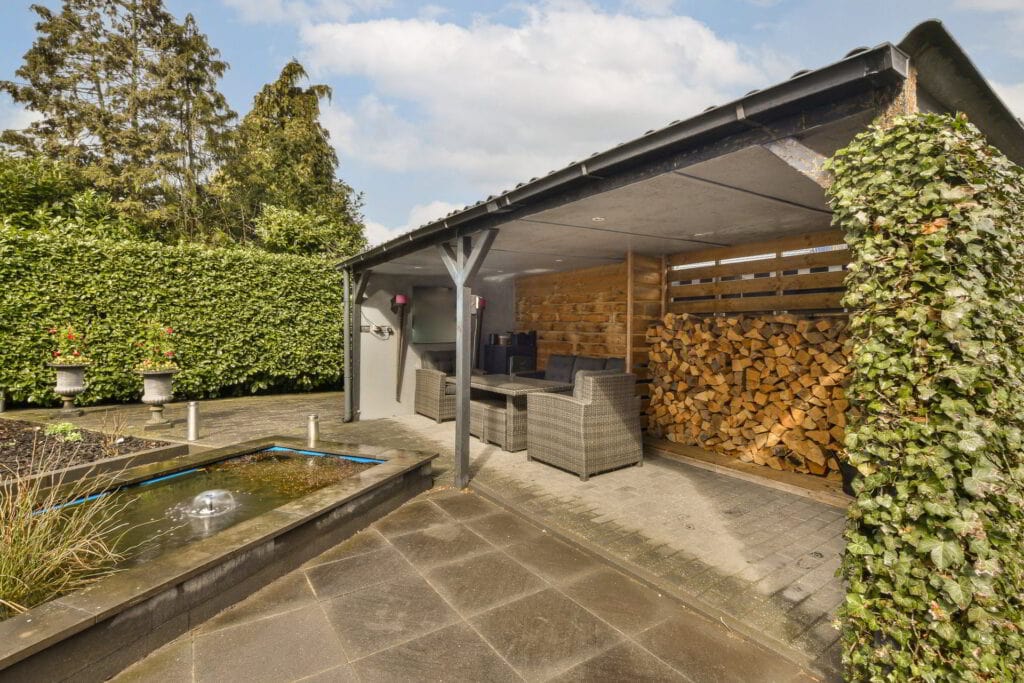
Piles of leaves, stacked lumber, and neglected outdoor materials create comfortable hiding places for pests. Rodents and insects often seek protected spaces where they can nest safely away from predators and human activity. Regular cleanup reduces available shelter and makes pest activity easier to identify. Organized outdoor areas support healthier and safer property conditions.
- Store firewood away from exterior walls.
- Remove leaf accumulations promptly.
- Organize outdoor storage spaces.
7. Eliminate Moisture Problems
Excess moisture attracts many insects that depend on damp environments for survival. Cockroaches, silverfish, mosquitoes, and other pests frequently gather near leaking pipes, standing water, and humid spaces. The Environmental Protection Agency explains that moisture control helps reduce conditions that encourage mold growth and pest activity. Dry interior spaces become much less attractive to insects seeking water sources.
- Repair plumbing leaks promptly.
- Improve airflow in damp locations.
- Inspect crawlspaces for standing water.
8. Install Motion-Activated Lighting
Many nocturnal animals prefer dark surroundings that provide cover while they search for food. Motion-activated lighting introduces sudden illumination that can discourage wildlife from lingering near entry points. Outdoor lighting also improves visibility for homeowners monitoring activity around garages, walkways, and trash storage areas. Strategic placement increases the effectiveness of these systems.
- Install lights near entrances.
- Cover garbage storage locations.
- Illuminate side yards and pathways.

9. Use Wildlife-Safe Deterrents
Non-harmful deterrents can discourage wildlife activity without causing injury. Reflective materials, approved sound devices, and physical barriers may encourage animals to relocate elsewhere. Many homeowners find the best results come from combining deterrents with exclusion and sanitation practices. Layered prevention methods create stronger protection against recurring wildlife visits.
- Install reflective tape near problem areas.
- Use approved deterrent devices when appropriate.
- Evaluate results and adjust placement as needed.
10. Address Problems Early
Minor pest activity can expand rapidly when warning signs are ignored. Droppings, unusual odors, nesting materials, gnaw marks, and scratching sounds often indicate growing infestations. Early intervention can help limit damage, reduce treatment costs, and prevent larger wildlife problems. Quick action frequently leads to simpler solutions.
- Monitor for signs of pest activity.
- Schedule inspections when concerns arise.
- Resolve issues before they become widespread.

Why Consistent Pest Prevention Matters
Successful pest prevention depends on combining multiple protective measures rather than relying on a single solution. Sealing entry points, controlling moisture, managing food sources, and maintaining landscaping work together to create a less welcoming environment for pests and wildlife. Long-term prevention requires ongoing attention, though the effort is often far less expensive than repairing damage caused by infestations. Homeowners who remain proactive typically experience fewer pest issues and greater peace of mind throughout the year.
- Preventive care reduces future repair costs.
- Routine maintenance limits pest opportunities.
- Multiple protective strategies provide stronger results.
Key Takeaways: 10 Ways to Keep Your Home Pest-Free
- Seal cracks, openings, and gaps around the home.
- Store food in airtight containers.
- Remove pet food after feeding.
- Keep trash secured and clean.
- Trim vegetation near structures.
- Remove debris and outdoor clutter.
- Fix leaks and moisture problems.
- Install motion-activated lighting.
- Use wildlife-safe deterrents.
- Respond quickly to pest concerns.
Frequently Asked Questions
What attracts pests to homes most often?
Food sources, moisture, shelter, and accessible entry points remain the most common attractants for pests and wildlife.
How often should homeowners inspect their property for pests?
Seasonal inspections and checks after major weather events can help identify potential issues before they become serious.
Can landscaping influence pest activity?
Overgrown vegetation and branches touching structures often create access routes and hiding places for pests.
Do wildlife problems become worse during colder months?
Many wildlife species seek warmth and shelter indoors during cooler seasons, increasing the likelihood of home intrusions.
Why is moisture control important for pest prevention?
Many insects depend on water sources for survival, making damp areas especially attractive for nesting and activity.

Home Garden Wire is your go-to resource for the latest in home and garden services. We provide reliable, actionable information on DIY home improvement, home maintenance, eco-friendly practices, and home design. Our well-researched content empowers homeowners with practical solutions and expert advice. Trust Home Garden Wire to help you enhance your living spaces with tips on home renovation, sustainable living, and innovative home services.