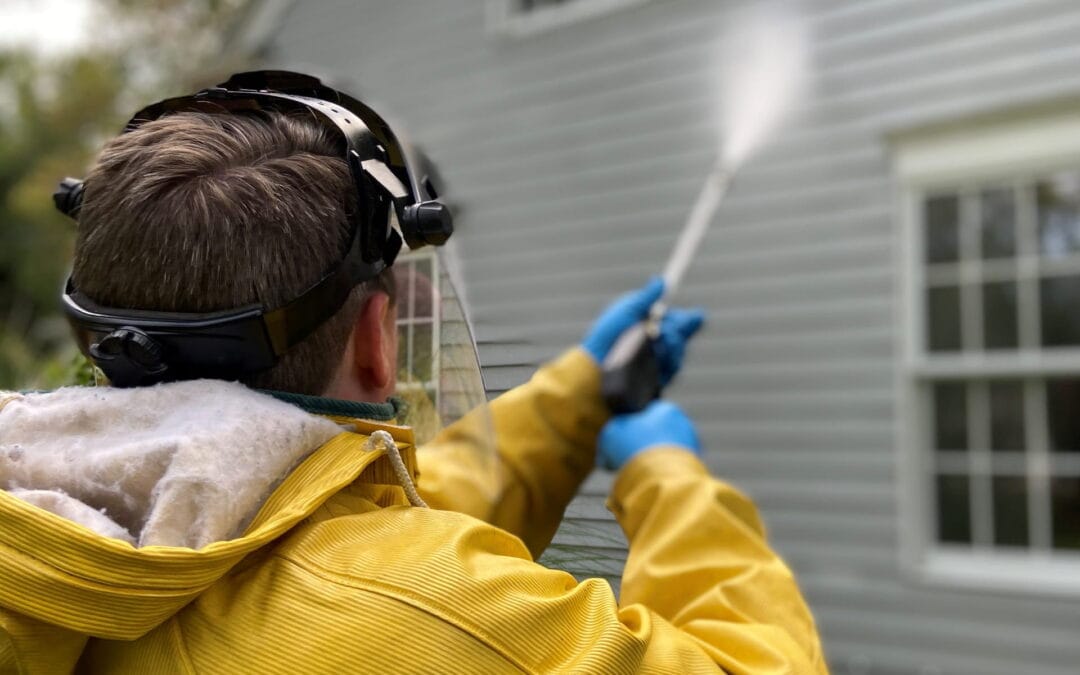
Maintaining an exterior takes more than spraying water and hoping for the best, because different materials react in very different ways to moisture, pressure, and cleaning agents. Compare pressure washing with soft washing closely and the differences become clear fast, especially when property owners want strong cleaning without creating damage that costs more to fix later. This discussion breaks down where each method works best, what each one removes most effectively, and why surface type matters so much. Danny’s Pressure Washing & Soft Washing explains: “Choosing between pressure washing and soft washing is really about matching the cleaning method to the surface. Concrete, brick, and other durable materials often need the strength of pressure washing to cut through stubborn buildup, while roofs, siding, and more delicate areas usually respond better to soft washing that cleans thoroughly without causing unnecessary wear.”
- Pressure levels affect results and surface safety
- Cleaning power is not the same as cleaning chemistry
- Hard surfaces and delicate materials need different treatment
Pressure Washing vs Soft Washing Differences That Matter Most
Cleaning methods can look similar from the curb, yet the real distinction shows up once the spray hits the surface and the material either handles it well or starts to fail. A common example happens when someone tries to remove mildew from painted siding with a machine set too aggressively, and instead of a clean wall they end up with chipped paint, gouges, and water forced into seams. That kind of mistake is avoidable. Comparing pressure washing with soft washing side by side gives homeowners and business owners a much better shot at choosing the right approach the first time.
- Pressure washing depends heavily on force to remove buildup
- Soft washing depends more on cleaning solutions and low-pressure rinsing
- The wrong match can shorten the life of exterior materials
1. Water Pressure Creates the Biggest Difference
Pressure washing relies on a strong stream of water, sometimes reaching several thousand pounds per square inch, to break loose dirt, grease, peeling paint, and other stubborn residue from durable surfaces. That intensity can be extremely effective on concrete, stone, and certain masonry, but it can also chew up softer materials faster than many people expect. Soft washing works on the opposite end of the spectrum. It uses much lower pressure, which reduces the chance of etching, splintering, cracking, or forcing water behind siding and trim.
- Concrete driveways often handle higher pressure well
- Wood, shingles, and painted surfaces can suffer under excessive force
- Lower pressure usually means a lower chance of surface scarring
2. Each Method Removes Dirt in a Different Way
Pressure washing removes grime mainly through impact, which makes it especially useful when thick debris, caked mud, grease, or layered buildup has bonded tightly to a hard surface. Soft washing handles cleaning through a combination of low-pressure application and specially selected solutions that target organic growth such as mold, mildew, algae, and bacteria. That distinction matters more than it seems, because some stains are not really dirt problems at all, they are growth problems. When that happens, blasting away the top layer may not solve much for long.
- Pressure washing excels at surface-level removal through force
- Soft washing addresses organic contamination at its source
- Some dark stains return quickly if growth is not treated properly
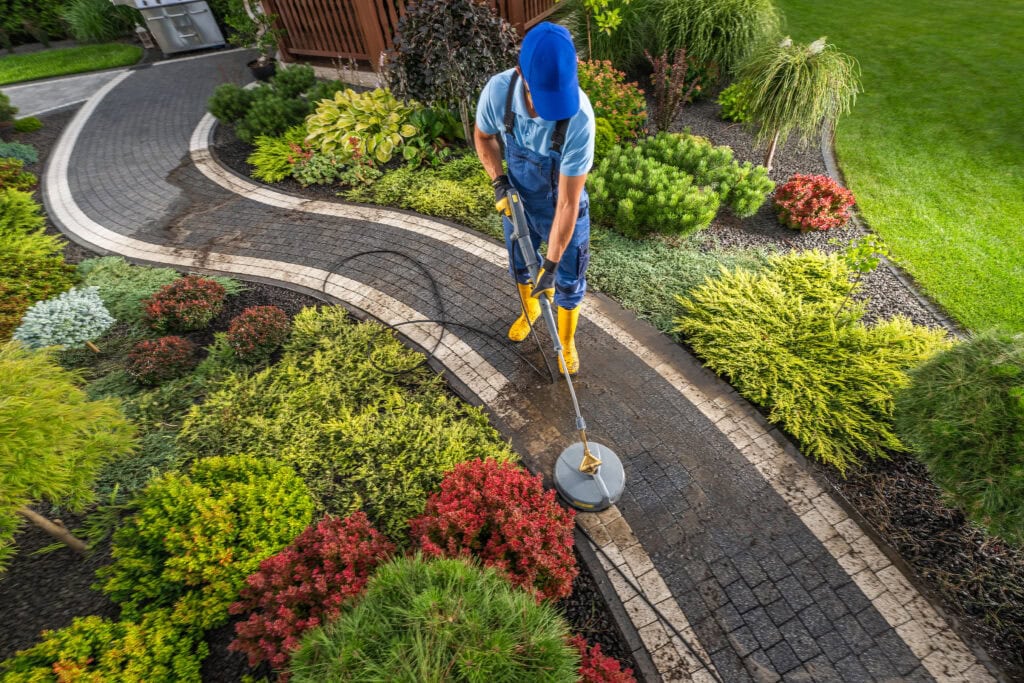
3. Hard Surfaces Usually Favor Pressure Washing
Durable materials often benefit from pressure washing because they can withstand a stronger stream while still getting thoroughly cleaned. Sidewalks, parking areas, loading zones, brick paths, retaining walls, and many concrete surfaces collect oils, tire residue, algae, food spills, and general grime that do not lift easily with a light rinse. In those situations, stronger pressure makes practical sense. The U.S. Environmental Protection Agency warns that wash water can carry pollutants into storm drains, which is one reason proper containment and runoff control matter during exterior cleaning work.
- Driveways often collect oil and traffic residue
- Walkways can become slippery from algae and mildew
- Commercial entry areas usually need deeper surface cleaning
4. Delicate Surfaces Usually Favor Soft Washing
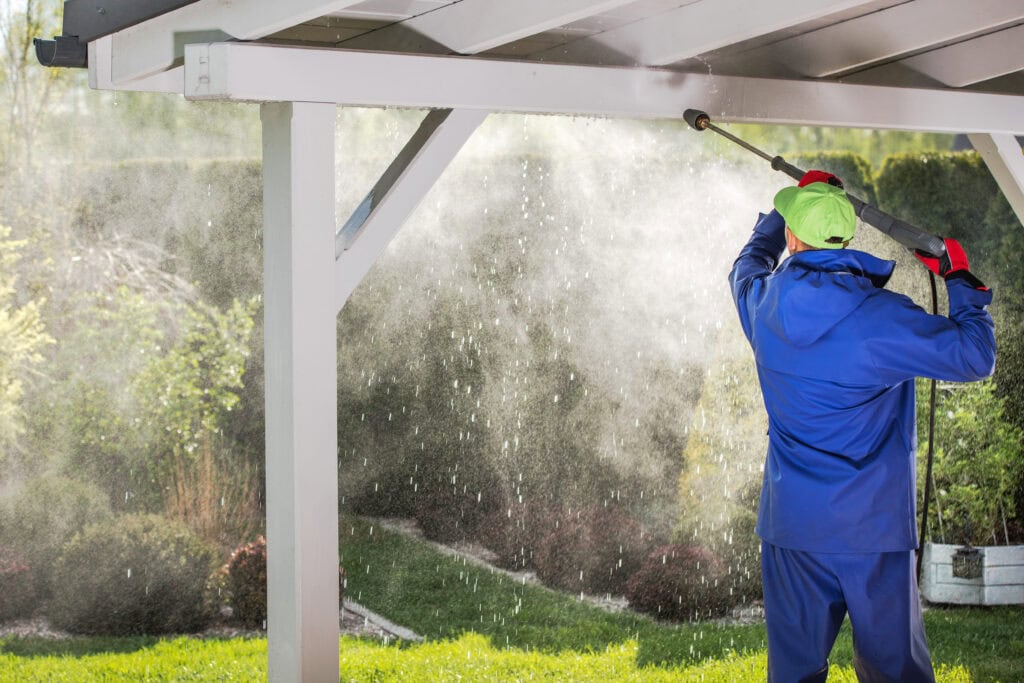
Soft washing is often the safer choice for roofs, painted siding, stucco, vinyl, fences, screens, trim, and other materials that can be damaged by concentrated force. Black streaks on roofs, for example, are often linked to algae rather than plain dirt, so a gentle chemical treatment followed by a low-pressure rinse makes more sense than a harsh blast of water. That approach protects the material while still getting rid of the contamination. It is a slower-looking process sometimes, but it is usually the smarter one.
- Roof shingles can lose granules under aggressive washing
- Vinyl siding can crack or loosen if pressure is too high
- Painted surfaces often clean better with less force and better chemistry
5. Mold, Mildew, and Algae Change the Decision
Organic growth is where soft washing often separates itself from pressure washing in a big way. Mold and mildew are not just cosmetic nuisances, and algae can make surfaces slick while also staining them over time. The Centers for Disease Control and Prevention notes that mold exposure can irritate the eyes, skin, nose, throat, and lungs, especially for people with sensitivities or respiratory conditions. Cleaning methods that target growth directly can help reduce repeat staining and improve surface hygiene at the same time.
- Algae often causes dark streaks and slippery areas
- Mildew can spread across shaded and damp surfaces
- Treating growth directly can slow its return
6. DIY Mistakes Happen Fast and Repairs Can Get Expensive
Many property owners assume exterior cleaning is simple because the equipment looks straightforward, but the margin for error can be surprisingly small. Too much pressure can scar wood, strip paint, damage mortar joints, bend aluminum, tear screens, and drive water behind siding where moisture problems begin quietly and spread over time. Wrong cleaning solutions create their own headaches, especially around plants, painted finishes, and sealed surfaces. One rough afternoon with rental equipment can lead to weeks of repair work, and that is not a great trade.
- High pressure can cut grooves into wood and soft stone
- Poor rinsing can leave residue that attracts new dirt
- Improper detergent choices may stain or weaken surfaces
7. Professional Evaluation Leads to Better Long-Term Results
A good cleaning plan starts with identifying the surface, the type of staining, the age of the material, and the risks involved before any spray begins. That is where experienced exterior cleaners usually outperform guesswork, because they know when pressure washing is appropriate, when soft washing is safer, and when both methods should be used on different sections of the same property. The Occupational Safety and Health Administration has long warned that pressure-related equipment brings real injury risks, including lacerations and injection injuries, which adds another layer to why skill matters here.
- Surface inspections help prevent accidental damage
- Different areas of one property may need different cleaning methods
- Training reduces safety risks and cleaning errors
Choosing Between Pressure Washing and Soft Washing for Better Exterior Care
Compare pressure washing with soft washing honestly and the better choice usually depends on what is being cleaned, what kind of staining is present, and how much force the material can safely handle. Pressure washing stands out on hard, durable surfaces where embedded grime and heavy residue need serious power, while soft washing makes more sense when organic growth is the real problem or the material is more fragile. Property owners who treat every surface the same often end up with uneven results, recurring stains, or avoidable damage, and that is exactly why a true comparison matters. Danny’s Pressure Washing & Soft Washing advises property owners to think beyond what looks dirty on the surface and focus on what the material actually needs, because the safest cleaning method is often the one that protects the property while still solving the problem fully.
- Surface material should guide the cleaning decision
- Organic growth often calls for a softer treatment approach
- Correct method selection helps protect value and appearance
Compare Pressure Washing With Soft Washing: Key Takeaways
Pressure washing and soft washing are not interchangeable even though both are designed to clean exterior surfaces. Pressure washing is usually the better fit for concrete, brick, stone, and other sturdy areas where force is needed to remove built-up grime, while soft washing is generally the better fit for roofs, siding, painted surfaces, and moisture-sensitive materials where lower pressure and targeted cleaning agents reduce the risk of damage. A careful comparison helps homeowners and business owners protect surfaces, improve curb appeal, and avoid expensive mistakes that come from using the wrong method. The smartest exterior cleaning decisions come from matching the method to the material, not just the stain.
- Pressure washing works best on tough, durable surfaces
- Soft washing is safer for fragile or coated materials
- Surface type, stain type, and contamination source all matter
Frequently Asked Questions
1. Can pressure washing damage concrete?
Concrete is durable, but it is not indestructible. Excessive pressure held too close to the surface can leave lines, pits, or etched marks, especially on older concrete or decorative finishes. Proper settings and spray technique make a big difference.
2. Does soft washing clean as well as pressure washing?
Soft washing can clean extremely well when the issue is mold, algae, mildew, bacteria, or surface staining on delicate materials. It may look gentler, but the cleaning agents do much of the work before the low-pressure rinse removes the contamination. On the right surface, it is often the more complete option.
3. Which method is better for a roof?
Soft washing is usually the safer choice for most roofing materials because it reduces the chance of lifting shingles, stripping protective granules, or forcing water into vulnerable areas. Roof stains are also often linked to algae, which responds better to treatment than brute force.
4. How often should exterior surfaces be cleaned?
That depends on moisture, shade, traffic, tree cover, pollution, and surface type. Many properties benefit from regular cleaning every year or two, while damp or heavily used areas may need attention sooner. Growth-prone surfaces often show signs first.
5. Can one property need both pressure washing and soft washing?
Yes, and that is common. A building might need pressure washing on concrete walkways and dumpster pads, then soft washing on siding, trim, roofing, or painted surfaces. Mixed-material properties often get the best results from using both methods where each one fits best.

Home Garden Wire is your go-to resource for the latest in home and garden services. We provide reliable, actionable information on DIY home improvement, home maintenance, eco-friendly practices, and home design. Our well-researched content empowers homeowners with practical solutions and expert advice. Trust Home Garden Wire to help you enhance your living spaces with tips on home renovation, sustainable living, and innovative home services.