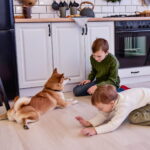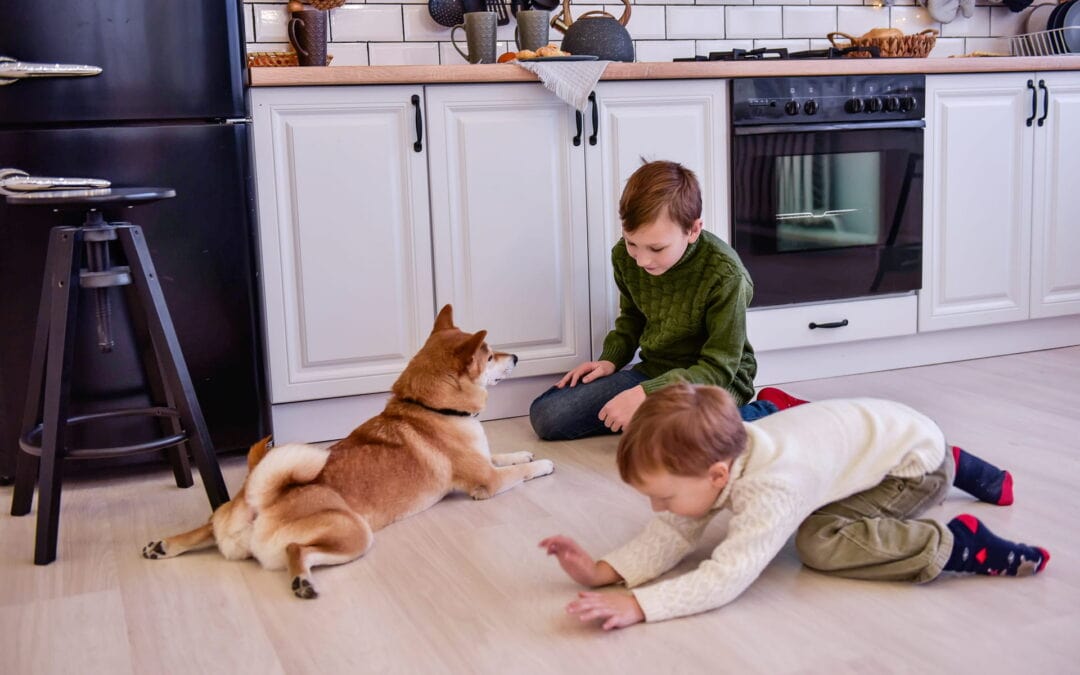
Pets can change how homeowners choose flooring because claws, moisture, shedding, stains, and steady foot traffic can wear down surfaces faster than expected. Many families want flooring that still looks tidy while handling muddy paws, pet accidents, food spills, and daily movement from larger animals. Pet friendly flooring can help reduce repair costs while making cleanup easier during hectic weeks. “A flooring surface should match the real habits inside the home, not just the look homeowners like on day one,” a flooring contractor from KBLR Construction said. “Families with pets usually benefit from flooring that handles moisture well and hides small scratches before they turn into bigger issues.” The EPA mold and moisture guide explains that moisture control inside homes helps prevent long-term material damage and mold growth.
- Pets increase flooring wear over time
- Moisture resistance helps limit damage
- Scratch protection matters in active homes
Pet Friendly Flooring Choices
Families with pets often notice flooring problems sooner than households without animals because claws, spills, fur, and accidents create daily stress on surfaces. A homeowner with two large dogs may see deep scratches in softer flooring after only a few years, while waterproof flooring may stay in better shape much longer. Flooring contractors often recommend comparing cleaning habits, pet size, room traffic, and moisture exposure before selecting materials because every room handles wear differently. Several flooring materials continue standing out for durability, comfort, and easier maintenance. The American Veterinary Medical Association reports that millions of households in the United States own pets, which continues increasing demand for durable home materials.
- Pet activity affects flooring lifespan
- Daily cleanup changes maintenance needs
- Surface texture impacts scratch visibility
1. Luxury Vinyl Plank Durability
Luxury Vinyl Plank remains one of the most practical flooring choices for pet owners because it handles scratches, spills, and moisture better than many traditional surfaces. Waterproof construction helps protect subfloors when pets spill water bowls, track rainwater inside, or have occasional accidents. Many homeowners also like that Luxury Vinyl Plank feels softer underfoot than tile while still offering strong durability for busy rooms. The EPA indoor air quality remodeling guide notes that moisture-resistant materials can help lower hidden water damage risks beneath flooring surfaces.
- Luxury Vinyl Plank resists moisture well
- Protective wear layers reduce scratches
- Cleaning usually takes less time
2. Tile Flooring For Pets
Tile flooring handles heavy pet activity extremely well because hard surfaces resist scratches better than many softer flooring materials. Ceramic and porcelain tile also clean easily after muddy paw prints, pet food spills, litter tracking, or accidents. Many pets enjoy lying on cooler tile floors during warmer months because the surface stays naturally cold longer than carpet or vinyl. The U.S. Department of Energy explains that tile flooring works efficiently with radiant heating systems, which can help improve indoor comfort during cooler seasons.
- Tile surfaces resist claw scratches
- Porcelain handles moisture effectively
- Cool surfaces help pets stay comfortable
3. Laminate Flooring Protection
Laminate flooring has improved noticeably in recent years because newer products include stronger wear layers and tighter locking systems. Many homeowners choose laminate flooring when they want a wood appearance without the higher cost of hardwood flooring. Protective coatings can help reduce visible scratching from smaller pets, though standing moisture may still cause swelling if spills sit too long. The National Association of REALTORS reports that flooring appearance continues influencing buyer interest and resale value.
- Laminate creates wood-style appearance
- Wear layers improve scratch resistance
- Fast cleanup helps prevent swelling
4. Scratch Resistant Bamboo Floors
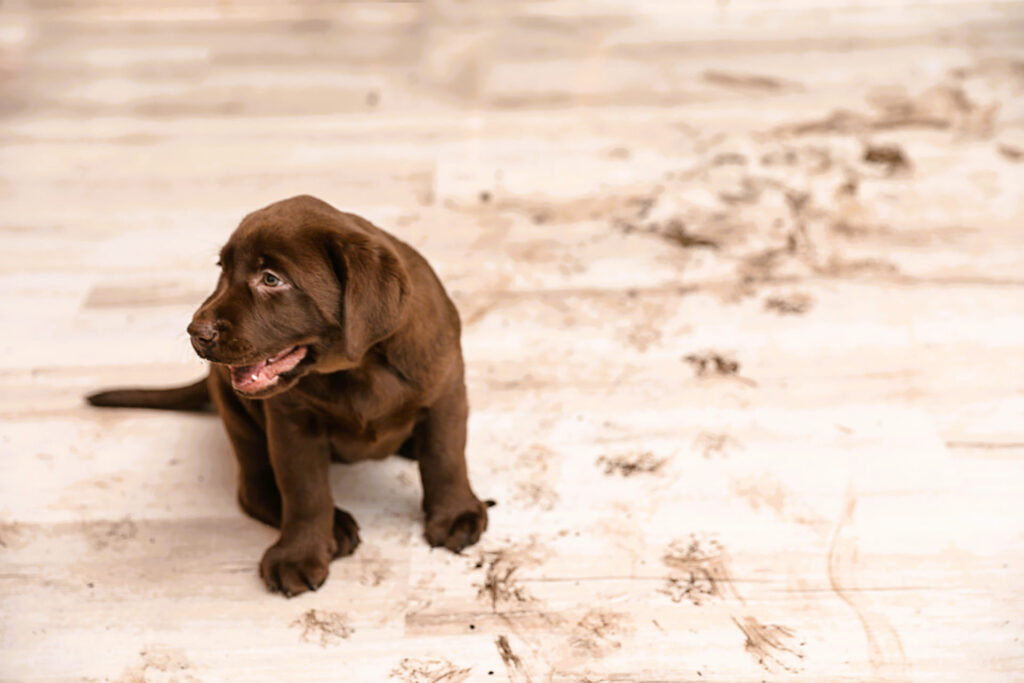
Strand woven bamboo flooring performs better than older bamboo flooring materials because dense construction improves scratch resistance and surface strength. Many homeowners with medium-sized pets choose bamboo flooring because it offers a natural appearance while staying harder than some traditional wood products. Surface hardness ratings matter because lower-quality bamboo flooring can dent more easily under repeated pressure from claws, furniture legs, or heavy pet traffic. Regular nail trimming can also help preserve flooring surfaces longer. The U.S. Forest Service has published research showing that bamboo products continue gaining popularity because of durability and renewable material sourcing.
- Strand woven bamboo improves durability
- Dense construction reduces visible wear
- Natural grain patterns hide scratches better
5. Waterproof Flooring For Dogs
Waterproof flooring materials continue becoming more important for families with larger dogs because moisture exposure can happen almost every day. Rainwater, water bowls, wet fur, drool, muddy paws, and occasional accidents can slowly damage flooring that absorbs moisture too easily. Waterproof flooring helps reduce staining, swelling, odor buildup, and hidden subfloor problems in active homes with multiple pets. The EPA moisture control guidance explains that limiting indoor moisture helps protect building materials from mold and long-term deterioration.
- Waterproof flooring lowers moisture risks
- Fast cleanup reduces odor buildup
- Protected subfloors last longer
6. Cork Flooring Pet Comfort
Cork flooring gives homeowners a softer walking surface that feels more comfortable for both pets and people. Natural cushioning may help older pets that struggle with joint pain, stiffness, or slipping on harder surfaces. Cork also absorbs sound well, which can help reduce noise from running dogs, clicking nails, or playful pets inside busy homes. Softer flooring surfaces often feel quieter and warmer throughout the day. The U.S. Department of Energy explains that certain flooring materials can help improve comfort and sound control inside homes.
- Cork softens foot traffic noise
- Cushioned surfaces improve comfort
- Warmer textures feel gentler underfoot
7. Engineered Wood Flooring Care
Engineered wood flooring gives homeowners the appearance of hardwood while improving stability during changing humidity conditions. Many families choose engineered wood because layered construction reduces movement and shifting compared to some solid hardwood products. Pet owners still need to clean spills quickly because standing moisture can damage wood surfaces over time. The National Wood Flooring Association explains that wood flooring remains popular because of its appearance and long-term value.
- Engineered wood improves dimensional stability
- Layered construction reduces shifting
- Quick cleanup helps prevent water damage
Flooring Contractor Installation Tips
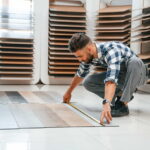
Professional installation plays a major role in how flooring performs inside homes with pets because small gaps, uneven surfaces, or weak seams can allow moisture to move underneath finished flooring. Proper subfloor preparation helps flooring stay flatter and stronger during years of daily activity. Moisture barriers can also help protect flooring materials from hidden water damage that develops slowly beneath the surface. Installation quality often affects flooring lifespan just as much as material quality. The EPA remodeling guidance also stresses that moisture control and proper installation help reduce indoor material damage.
- Moisture barriers help protect subfloors
- Tight seams reduce water intrusion
- Proper installation improves durability
Pet Friendly Flooring Comparison
Different flooring materials solve different problems for pet owners because some focus more on moisture protection while others prioritize comfort or scratch resistance. Luxury Vinyl Plank performs well in high-moisture spaces, tile handles heavy scratching effectively, and cork improves comfort for older pets. Long-term flooring value depends on cleaning habits, installation quality, pet size, surface texture, and daily household traffic. Families who compare durability, maintenance, and moisture resistance carefully often avoid expensive flooring replacement projects later. The EPA continues recommending moisture management as one of the most important ways to protect building materials inside homes.
Flooring Contractor Key Takeaways
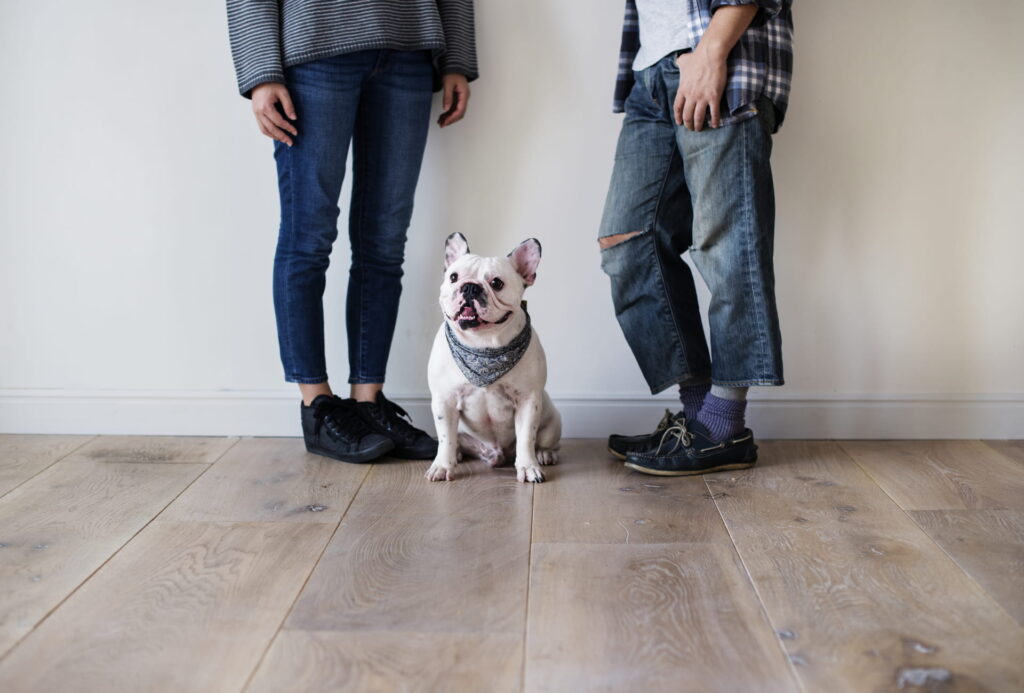
- Luxury Vinyl Plank handles moisture and scratches well
- Tile flooring works well for heavy pet activity
- Cork flooring improves comfort and sound control
- Waterproof flooring helps protect subfloors
- Professional installation improves flooring lifespan
Frequently Asked Questions
What flooring works best for large dogs?
Luxury Vinyl Plank and tile flooring usually work well for large dogs because both materials resist scratches, moisture, and heavier daily traffic.
Can pets damage laminate flooring?
Pets can damage laminate flooring if moisture sits too long or if sharp claws repeatedly scratch weaker wear layers over time.
Is Luxury Vinyl Plank waterproof?
Many Luxury Vinyl Plank products include waterproof construction that helps protect subfloors from spills, wet paws, and pet accidents.
What flooring is easiest to clean with pets?
Tile flooring and Luxury Vinyl Plank usually clean quickly because fur, dirt, and spills stay on the surface instead of soaking deeply into the material.
Should pet owners avoid hardwood flooring?
Hardwood flooring can still work in homes with pets, though scratches and moisture damage may become more visible over time without regular maintenance.

Home Garden Wire is your go-to resource for the latest in home and garden services. We provide reliable, actionable information on DIY home improvement, home maintenance, eco-friendly practices, and home design. Our well-researched content empowers homeowners with practical solutions and expert advice. Trust Home Garden Wire to help you enhance your living spaces with tips on home renovation, sustainable living, and innovative home services.