Household appliances rarely fail in a single moment, yet hidden problems often build quietly until everyday routines feel slower, more stressful, and less dependable. Recurring breakdowns from wear and poor maintenance are why an appliance repair service often sees the same issues across homes. These repeated repair patterns usually connect to worn parts, restricted airflow, blocked drainage paths, unstable temperatures, or aging electrical connections that weaken over time. Renew Appliance Repair explains, “Extended run times, uneven results, strange sounds, and weak performance often show up early, and quick attention can keep a manageable issue from turning into a larger repair.”
- Appliance wear often increases after 5 to 10 years based on U.S. Department of Energy guidance
- Routine care helps appliances last longer and operate more consistently
- Small changes in sound, timing, or temperature often signal deeper internal trouble
Common Appliance Repair Issues
A homeowner may first notice a washer leaving water behind, a refrigerator running warmer than expected, or a dryer taking longer to finish a load, and those early signs can feel easy to dismiss. Real service experience shows these subtle shifts often point to growing strain inside motors, pumps, sensors, heating elements, and control systems that are no longer working as intended. Repeated daily use pushes appliances through heat, moisture, vibration, and friction, so similar failures tend to appear across many households. Patterns like these help explain why the same repair calls happen again and again.
- Early warning signs often appear before a complete breakdown
- Ongoing strain speeds up damage inside mechanical and electrical parts
- Delayed repairs can turn a limited issue into a larger system failure
1. Refrigerator Not Cooling Properly
Refrigerators that struggle to hold a steady temperature often deal with dirty condenser coils, worn door gaskets, blocked air vents, failing fans, or sensors that no longer read temperatures correctly. Energy.gov notes that refrigerators use a large share of household electricity, so cooling problems can increase power use while also putting stored food at risk. Milk, meat, leftovers, and produce can spoil faster when temperatures rise above recommended levels, and many homeowners do not notice the change until food quality declines. Reliable cooling protects both groceries and energy use.
- Dusty coils can force the system to run longer than necessary
- Loose door seals allow cold air to escape with every use
- Faulty sensors can cause uneven cooling across shelves
2. Washing Machine Not Draining
Washing machines that finish a cycle with standing water often face clogged pumps, restricted hoses, blocked filters, or switch failures that interrupt the drain sequence. The U.S. Environmental Protection Agency connects system issues to increased water waste, especially when loads must be repeated. Standing water inside the drum can also lead to mildew odor, mold growth, and damp clothing that never fully rinses clean. A drainage issue often starts small but places growing stress on the machine with each cycle.
- Clogged pumps can trap lint, debris, and small objects
- Restricted hoses can slow water removal and strain internal parts
- Interrupted cycles can leave clothing overly wet before drying
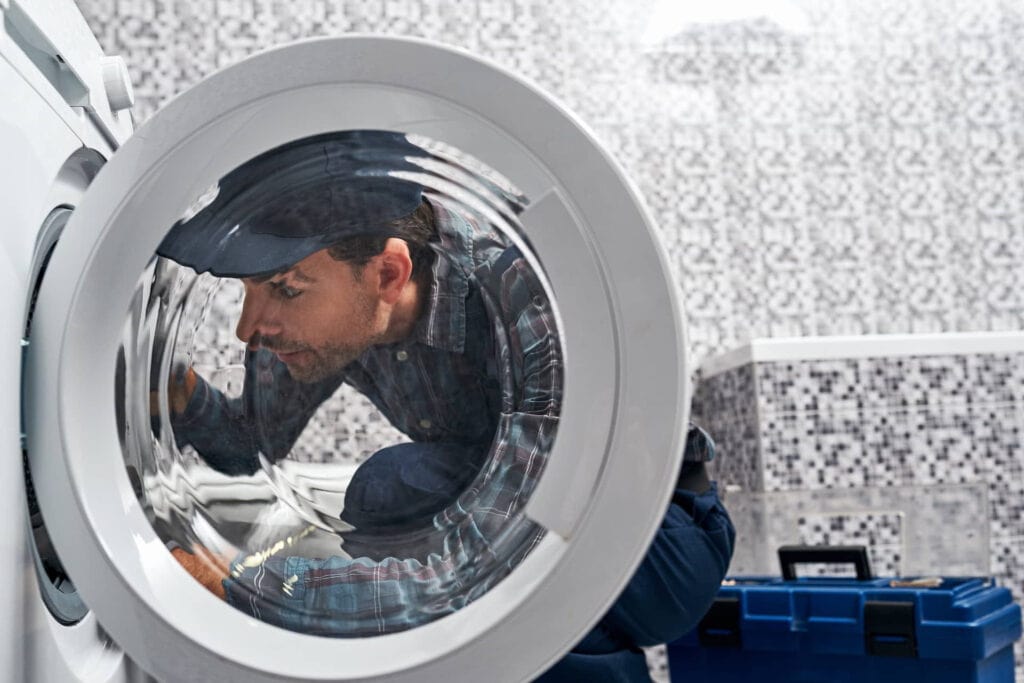
3. Dryer Not Heating Up
Dryers that tumble normally but fail to produce enough heat often involve damaged heating elements, blown fuses, weak ignition parts, or heavy lint buildup blocking airflow. The U.S. Fire Administration reports that dryer fires remain a serious household risk, especially when vents become clogged and trap heat. Poor heating stretches drying times, increases energy use, and places extra wear on clothing through repeated cycles. Strong airflow is just as important as heat for safe and effective drying.
- Blocked vents can trap heat and create unsafe conditions
- Broken heating components can leave loads damp after full cycles
- Restricted airflow can cause overheating even with low heat output
4. Dishwasher Not Cleaning Dishes
Dishwashers that leave behind residue, grease, or food particles often deal with clogged spray arms, worn pumps, dirty filters, or mineral buildup from hard water. The Department of Energy explains that dishwashers depend on steady water movement and proper conditions to clean effectively. Many homeowners assume detergent is the issue, yet the real cause often comes from blocked openings or weak water flow that prevents full coverage. Proper circulation allows every dish to be cleaned evenly.
- Blocked spray arms can prevent full coverage on both racks
- Dirty filters can recirculate debris onto dishes
- Mineral buildup can reduce flow and leave cloudy residue
5. Oven Not Heating Evenly
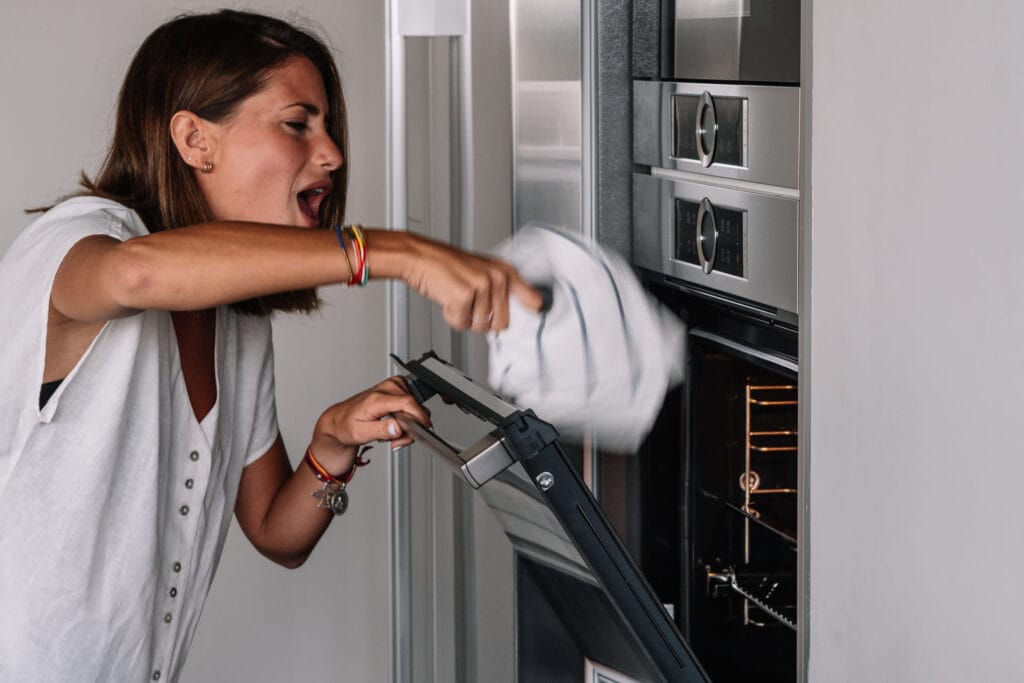
Ovens that cook unevenly often involve weakening heating elements, faulty sensors, loose wiring, or calibration drift that changes how heat is distributed. The USDA stresses proper cooking temperatures for food safety, and uneven heating can make accurate cooking difficult. Foods may brown too quickly on one side while remaining undercooked elsewhere, which affects both results and safety. Steady oven heat supports predictable cooking.
- Weak elements can create uneven temperature zones
- Faulty sensors can misread internal heat levels
- Calibration issues can throw off cooking times
6. Garbage Disposal Jammed
Garbage disposals often jam when fibrous scraps, grease, bones, or nonfood objects block the grinding chamber and stop movement. The Environmental Protection Agency encourages better food waste habits since disposals are not designed for every type of material. A jam can lead to humming, odor, slow drainage, or a full stop that disrupts kitchen use during cleanup. Quick attention helps prevent further damage.
- Grease can harden and restrict movement over time
- Stringy scraps can wrap around internal parts
- Foreign objects can damage blades and strain the motor
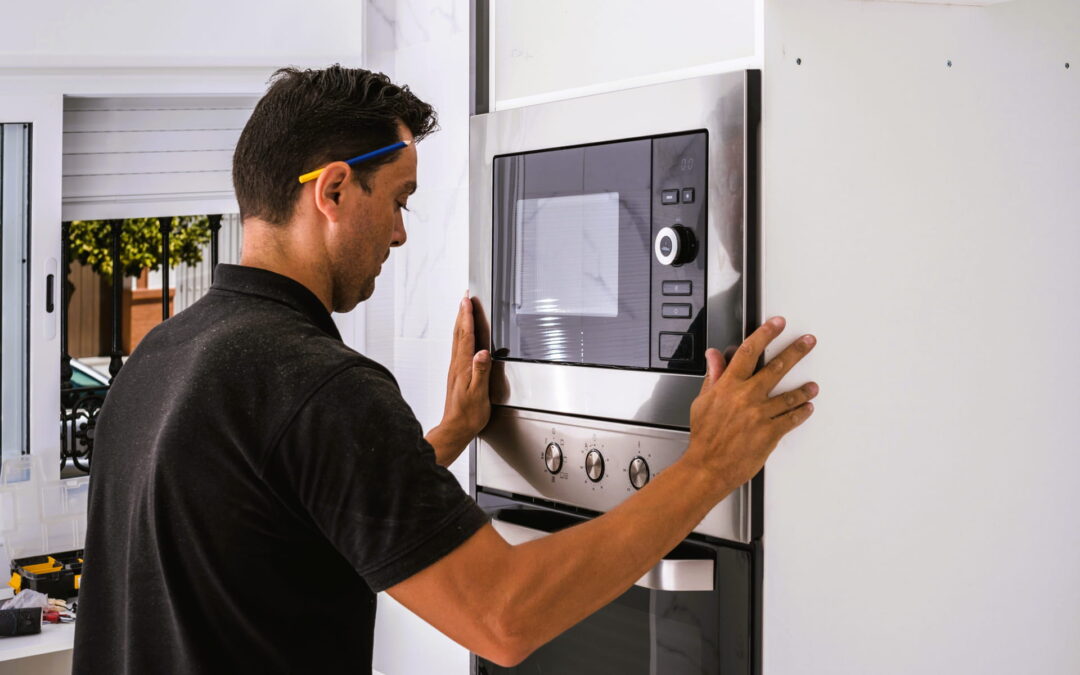
7. Microwave Not Heating Food
Microwaves that run but fail to heat food often point to a failed magnetron, damaged diode, faulty switch, or electrical issue that interrupts heating. The FDA highlights the importance of proper microwave performance because uneven heating can leave food unsafe to eat. Many units appear normal during operation, yet the heating system may already be failing inside. A microwave that runs without heating should not be ignored.
- Failed components can leave food cold in the center
- Door switch issues can interrupt normal operation
- Electrical problems can create inconsistent heating results
8. Ice Maker Not Working
Ice makers often stop producing ice because of blocked water lines, weak inlet valves, frozen tubes, or freezer temperatures that rise above proper levels. Energy.gov notes that correct freezer settings are important since even small changes can interrupt the ice-making cycle. Homeowners may hear the unit attempt to run while no ice forms, which often signals a supply or temperature issue. Stable conditions support steady production.
- Blocked lines can prevent water from reaching the mold
- Faulty valves can reduce water flow
- Temperature changes can stop ice formation
9. Freezer Not Freezing Properly
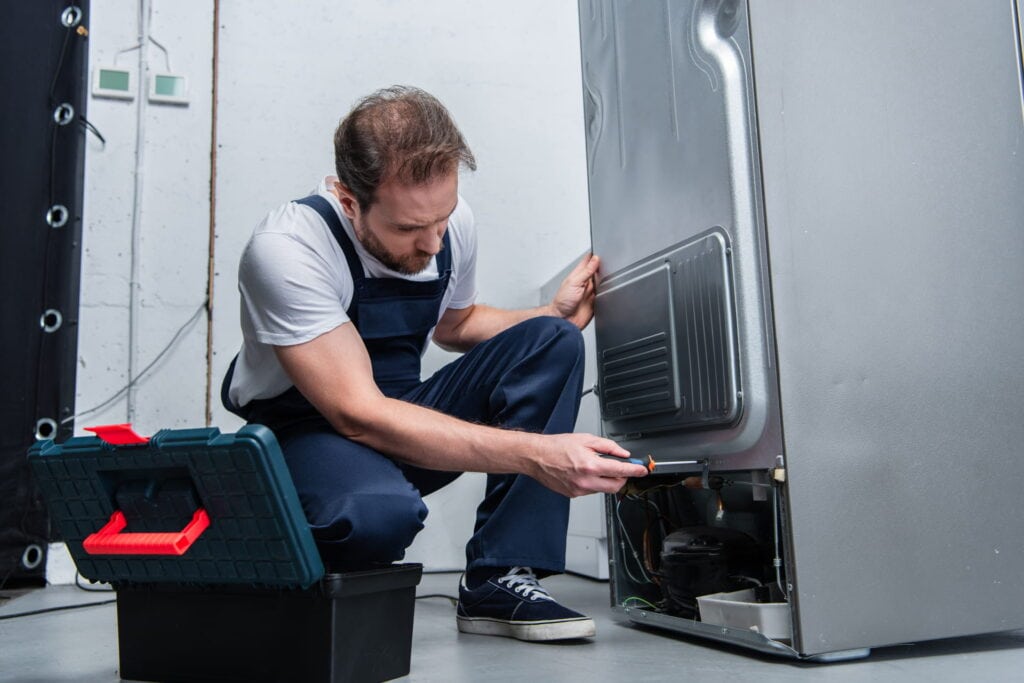
Freezers that fail to keep food frozen often involve airflow restrictions, fan issues, defrost problems, worn seals, or compressors that no longer cool effectively. The USDA recommends maintaining freezer temperatures at 0 degrees Fahrenheit to preserve food safely. Soft ice cream, clumped frozen foods, or partial thawing can all point to deeper cooling trouble. Stable freezing protects food quality and safety.
- Blocked vents can limit cold air movement
- Defrost issues can create frost that blocks airflow
- Weak compressors can reduce cooling strength
10. Stove Burner Not Working
Stove burners that fail to heat properly often involve broken coils, damaged receptacles, ignition problems, clogged gas ports, or wiring issues beneath the surface. The U.S. Department of Energy explains that cooking appliances depend on steady energy delivery, and disruptions can affect meal preparation. Burners may heat unevenly, fail to ignite, or stop working altogether, each pointing to a specific issue. Dependable stovetop heat supports daily cooking.
- Broken coils can prevent full heat across the surface
- Ignition problems can stop gas burners from lighting
- Wiring issues can cause intermittent or total failure
Understanding Appliance Wear Patterns
Appliance repairs rarely happen without cause, and most failures come from a mix of age, dust buildup, moisture exposure, heat, and delayed maintenance. Homeowners who notice changes in noise, smell, timing, or performance often have a chance to fix the issue before a larger part fails. Renew Appliance Repair notes that watching for early signs can reduce repair costs and help avoid sudden breakdowns. Awareness leads to better decisions.
- Early service can stop small issues from spreading
- Routine cleaning can reduce stress on key components
- Quick response to warning signs can extend appliance life

Most Common Appliance Repairs Key Takeaways
- Refrigerators, washers, dryers, and dishwashers often show early warning signs before failure
- Cooling, drainage, airflow, heating, and electrical issues drive many repair calls
- Government guidance links poor appliance performance to food safety and energy use concerns
- Early attention to warning signs can reduce larger repair needs
- Routine maintenance helps prevent repeated breakdowns
Frequently Asked Questions
What appliance fails most often in a home?
Refrigerators, washers, and dryers commonly require service because they operate frequently and handle heavy daily use.
What signs show an appliance needs repair?
Longer cycles, unusual noises, poor heating, weak cooling, and standing water are common signs that service may be needed.
Is repair better than replacement?
Repair is often the better option when the appliance is still within a reasonable age range and the issue is limited.
Why do small appliance problems get worse quickly?
One failing component can increase strain on nearby parts, causing the problem to spread through the system.
How can appliance repairs be reduced?
Regular cleaning, proper use, and early attention to warning signs can help prevent many common issues.
Home Garden Wire is your go-to resource for the latest in home and garden services. We provide reliable, actionable information on DIY home improvement, home maintenance, eco-friendly practices, and home design. Our well-researched content empowers homeowners with practical solutions and expert advice. Trust Home Garden Wire to help you enhance your living spaces with tips on home renovation, sustainable living, and innovative home services.